Melbourne, Australia

Brad Hill

AI & Agentic Engineer

Introduction

Systems, repaired with gold.

Kintsugi is the Japanese art of mending broken ceramics with seams of gold — the repair becomes the most beautiful part. That's how I build software: take the brittle thing, the manual process, the system straining at its limits, and rebuild it with something stronger and a little luminous.

These days that means agentic AI — production LLM tooling, MCP servers, sub-agents and multi-agent pipelines — as Dev Lead of the Agentforce squad at RACV, on a foundation of years shipping on demanding enterprise platforms.

Portrait of Brad Hill — three-quarter view, navy knit jacket, looking thoughtfully to the left

Agentic systems

LLM tooling, MCP servers, sub-agents, evals — agents that do real work, not demos.

Applied AI at scale

Internal tooling analysing thousands of customer interactions a day, in production.

Agentforce & Salesforce

Leading delivery on Salesforce's agent platform — Apex, LWC, Experience Cloud underneath.

Integration & shipping

MuleSoft, DataWeave, REST — a bias for making brittle things fast and resilient.

Projects

Things I've built after hours

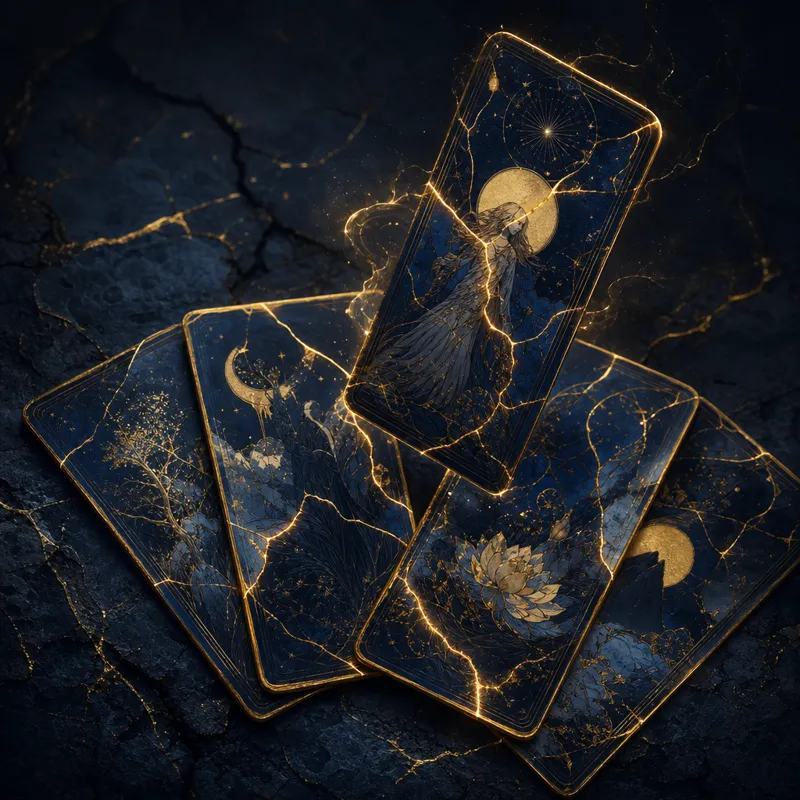
Ornate playing cards repaired with gold kintsugi seams

The Academy

A roguelite card-duel game — custom rules engine, animated board, multiplayer, shipped to the web.

Play it →
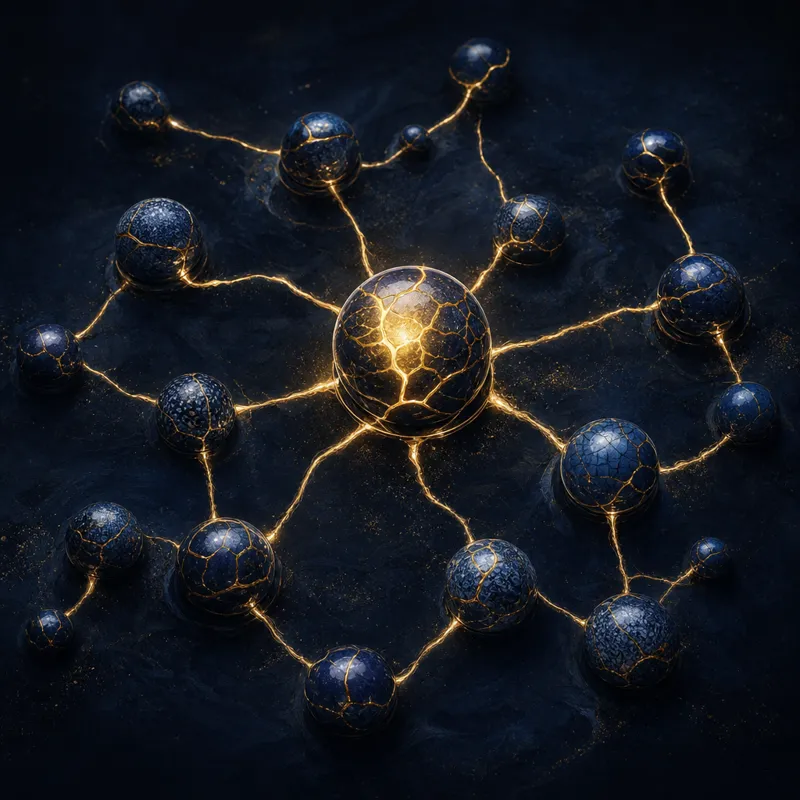
Ceramic orbs connected by glowing gold veins, like a multi-agent constellation

Agentic tooling

Local-first LLMs and multi-agent systems — MCP servers, sub-agents, provenance-tracked asset pipelines, voice interfaces.

On GitHub →
Gold-on-navy duotone portrait of Brad holding an ornate mace, kintsugi cracks radiating behind him

What's next?

Always another seam to lay — from 24-hour game jams to original AI experiments. I never stop building.

Say hello →

In the detail

One card, under the light

This is a card from The Academy, rendered live in a single WebGL shader — a crystal frame with cut facets and gold trim, a parchment face rasterised to a texture, and a foil layer that answers the light.

The foil isn't random sparkle. Hotspots are pinned to the frame's natural flare points — corners rake with streak-crosses, edge-midpoints bloom with diffuse spectra — and each one flashes white-hot only when the moving light truly aligns with it, the way a real foil card behaves in your hand.

Details matter. This one took an evening of sliders, argument, and gold.

See it in the game →

Experience

The road so far


Contact

Say hello

The fastest way to reach me:

[email protected]